

What Do Different Colors on Construction Signs Mean? A Complete Guide
If you’ve ever driven past a highway project or walked onto an active job site, you know that construction zones are a maze of heavy equipment, workers, and shifting traffic patterns. In safety signage, colors are used as visual clues to provide information about hazards, safety, or instructions.
To keep everyone safe and traffic flowing, the industry relies on a strict, color-coded visual language regulated by standards like OSHA, ANSI, and the MUTCD (Manual on Uniform Traffic Control Devices). These standardized colors help individuals quickly and accurately interpret the information conveyed by a sign.
So, what do the different colors on construction signs actually mean? Let’s break down the safety color code.
Orange: The Official Color of the Work Zone
If there is one color you associate with roadwork, it’s orange. In the United States, using orange-colored signs with black lettering to convey alerts to drivers about upcoming work zones started in 1964. Since then, orange has been used pretty much exclusively in construction zones to convey the existence of temporary cautions or hazards nearby.
When you see an orange construction sign, it means you need to be prepared for changes ahead. Orange diamond signs warn about things like lane closures or roadworks. You will typically see them used for:
- Work Zone Signs: Alerts like “Road Work Ahead,” “Detour,” or “Be Prepared to Stop.”

- Warning Signs: Flagging temporary conditions, hazardous work underway, or the presence of a flagger who might be directing traffic.
Red: Stop and Immediate Danger
While orange marks the work zone, red is the universal color for immediate, life-threatening danger and mandatory stops. Red safety signs are universally associated with danger and prohibition. On a construction site, red is never a suggestion.
You will see red construction signs used for:
- Stop Signs: Both permanent signs and the temporary paddles used by traffic control flaggers. Drivers know they must act right away when they see red.
- Danger Signs: Red indicates the presence of potential hazards or the need to stop or take immediate action to prevent accidents. Think high-voltage electrical panels, crane swing zones, or open trenches.
- Fire Equipment: According to health and safety regulations, red sign color indicates fire equipment.
Yellow & Fluorescent Yellow-Green: Caution and High Visibility
Yellow is the standard color for general caution. Yellow safety signs serve as a cautionary measure, indicating potential hazards or conditions that could lead to accidents or injuries if not approached with care. In a construction environment, yellow is used to keep workers alert to physical hazards like low headroom, wet floors, or trip hazards.
However, there is a specific, ultra-bright variation playing a massive role in modern safety: Fluorescent yellow-green. This color is used for construction traffic signs where lots of people walk or where signs must be seen easily. Because this color stands out sharply even in low light, safety experts say fluorescent yellow-green should be used near schools or busy crossings.
Black & White: The Rules of the Road
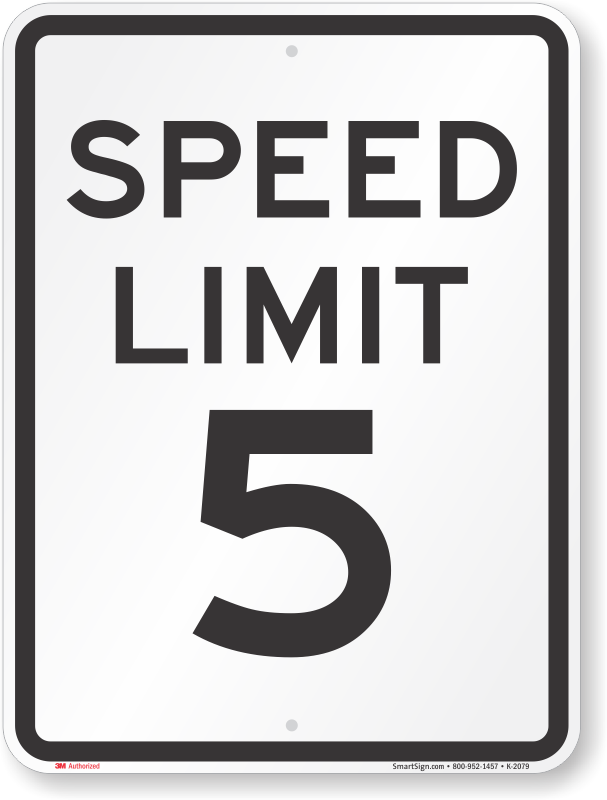
Black and white are important for construction traffic signs that give information or rules. These signs show things like speed limits, lane directions, or where you cannot go. Because black writing on a white sign is easy to read and does not distract drivers, this color mix is used for rule signs in work zones.
Blue, Green, and Purple: Information and Safety
Not all signs are warning you about a hazard. These colors serve as the informational backbone of a safe facility or site:
- Blue Signs: Blue safety signs convey mandatory instructions or provide information that helps individuals understand specific requirements. Blue also indicates equipment under repair and warns not to start or move equipment.
- Green Signs: Green safety signs signify safety-related information, including emergency exits, first aid stations, and safety equipment.
- Purple Signs: Purple safety signs are specific to areas where there is a risk of radiation exposure.
Summary Table: Construction Sign Colors
| Color | Meaning / Use in Construction and Traffic Safety Signs |
| Orange | Primarily used for road construction and work zone signs; indicates temporary conditions and moderate hazards requiring caution. |
| Red | Signals stop, danger, or prohibition; indicates high risk and requires immediate action or compliance. |
| Yellow | Represents general caution and hazard warnings; alerts individuals to potential risks ahead. |
| Black & White | Used for regulatory and informational signs; provides clear instructions, rules, and traffic guidance. |
| Fluorescent Yellow-Green | High-visibility color for enhanced warnings, especially in pedestrian crossings, school zones, and high-traffic work areas. |
| Green | Identifies emergency exits, escape routes, first aid stations, and safety equipment locations. |
| Blue | Indicates equipment under maintenance or repair; warns against operating or moving machinery. |
| Purple | Reserved for radiation hazards; marks areas or materials that contain radioactive substances. |
Why Sign Material Matters Just as Much as Color
Understanding what a red danger sign or an orange work zone sign means won’t help if the sign has faded in the sun or peeled off its backing. Construction sites are brutal environments.
To maintain a compliant and safe job site, your signs need to be built to last. That means choosing heavy-duty, outdoor-grade aluminum, applying UV-protective overlaminates to prevent fading, and utilizing engineer-grade reflective sheeting so your signs are visible to drivers working the night shift.
Frequently Asked Questions
Q: What color are construction zone signs?
A: Construction zone signs are typically orange. In areas with high pedestrian traffic, you might also see fluorescent yellow-green signs. These specific colors are chosen to ensure maximum visibility and keep both drivers and workers safe by providing clear, early warnings.
Q. What color and shape are construction signs?
A: While they are primarily orange for maximum visibility, the most common shape for these warning signs is a diamond. A diamond shape universally signals potential hazards, alerting drivers to slow down and proceed with caution.
Q. What does an orange sign mean in a construction zone?
A: An orange sign is a direct signal to use caution. It tells drivers that roadworks, lane closures, or changing traffic patterns are ahead. Orange is specifically mandated because it stands out against almost any background in all weather conditions.
Q. Why do some work zone signs use fluorescent yellow-green?
A: Fluorescent yellow-green is reserved for areas with high foot traffic, such as school zones or pedestrian crossings. The human eye is highly sensitive to this ultra-bright color, helping drivers spot pedestrians and workers even in poor lighting or bad weather.
Q. Who sets the rules for work zone sign colors?
A: In the United States, the rules for highway and construction signs are set by the MUTCD (Manual on Uniform Traffic Control Devices). Additionally, agencies like OSHA and ANSI regulate the colors and formats used for safety signs within the actual job site or facility.
Are your job site signs up to code? Ensure your crew and passing drivers stay safe with durable, OSHA and MUTCD-compliant construction safety signs from MySafetySign. Customize your message in plain English and get it shipped fast.
Category: Uncategorized