

The Hidden Costs of Workplace Accidents: It’s More Than Medical Bills
When a safety manager or business owner looks at the cost of a workplace accident, the first numbers that jump off the page are usually medical bills and workers’ compensation claims. These are the “direct costs”, the invoice you actually see.
But any seasoned professional knows that the invoice is just the tip of the iceberg. The real damage to your bottom line often comes from the costs you don’t see immediately.
The “Iceberg” Effect
Safety experts estimate that for every $1 spent on direct costs (like hospital visits or medication), a company spends anywhere from $2 to $10 on indirect costs. These hidden expenses don’t show up on a single bill, but they bleed profit just the same.
Here is where the money actually goes:
- The Administrative Drain
Time is money, and accidents stop the clock. When an incident occurs, production halts. Supervisors and safety officers have to investigate the scene, interview witnesses, fill out lengthy OSHA paperwork, and manage legal compliance.
That is hours, sometimes days, of lost productivity from your most valuable staff. Instead of focusing on growth or operations, your management team is tied up in damage control.
- Equipment and Property Damage
We often focus so much on the human element that we forget the physical environment. If a forklift driver takes a turn too fast and tips over, you aren’t just dealing with an injured driver.
You are likely dealing with:
- Damaged inventory (spoiled goods).
- A broken forklift requiring repair or replacement.
- Structural damage to shelving units or loading docks.
Unlike medical costs, these expenses are often subject to insurance deductibles, meaning they come straight out of the company’s pocket.
- The Long-Term Insurance Hit
Just like your car insurance rates go up after a fender bender, your business insurance premiums react to workplace accidents. A high frequency of accidents raises your Experience Modification Rate (EMR).
Once your EMR climbs, you are penalized with higher premiums for years to come. In competitive industries like construction, a high EMR can even disqualify you from bidding on lucrative government or large commercial contracts.
- Morale and Reputation
Perhaps the most expensive hidden cost is the hit to company culture. When an employee gets hurt, the rest of the team feels it. Fear and anxiety can lower engagement, leading to a distracted workforce which, ironically, increases the risk of more accidents.
Externally, your reputation is on the line. In the age of social media and instant reviews, a serious safety lapse can cost you clients and future hires. Skilled workers want to work where they feel safe; if you can’t offer that, you will pay a premium to recruit talent.
Prevention is Cheaper than the Cure
The good news? These costs are entirely avoidable. OSHA suggests that companies with robust safety programs can reduce injury costs by 20 to 40 percent.
Investing in prevention whether it’s better training, routine inspections, or clear communication—provides a massive return on investment.
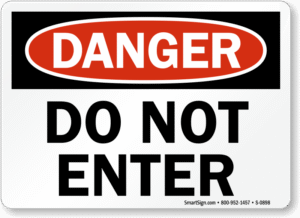
Caution Safety First Sign One of the simplest, most cost-effective ways to prevent accidents is to ensure hazards are clearly marked. A well-placed sign doesn’t just warn a worker of danger; it reinforces a culture of safety every time someone walks past it.
MySafetySign carries a full line of OSHA-compliant signs and labels to help you stop accidents before they start.
Category: Construction