

What Type of Hearing Protection Do OSHA Regulations Require?
Noise-induced hearing loss (NIHL) is one of the most common occupational illnesses in the United States. Unlike a broken bone or a cut, hearing damage often happens slowly over time. Workers may not realize they are losing their hearing until the damage is permanent and irreversible.
OSHA (Occupational Safety and Health Administration) takes noise exposure seriously. If workplace noise levels exceed specific limits, employers are legally required to provide protection. However, handing out a box of foam plugs is not always enough to be compliant.
Understanding the specific decibel thresholds and the types of protection available is critical for preventing long-term disability claims. Learn more about OSHA’s noise standards and how to select the right hearing protection devices for your workforce.

What Is Occupational Hearing Protection?
Hearing protection devices (HPDs) are wearable equipment designed to reduce the level of sound energy reaching the inner ear. They are the final line of defense when engineering controls cannot reduce noise to safe levels. When outfitting your team for high-noise environments, you will generally choose between:
Shop Hearing Protection:
Understanding OSHA Noise Standards
OSHA Regulation 29 CFR 1910.95 outlines strictly defined “trigger” levels for noise. There are two numbers every safety manager must know.
1. The Action Level (85 dB)
If an employee is exposed to an 8-hour Time Weighted Average (TWA) of 85 decibels, OSHA requires the employer to implement a “Hearing Conservation Program.” This includes monitoring noise levels, providing annual hearing tests (audiograms), and making hearing protection available to employees, though wearing it is voluntary at this stage.
2. The Permissible Exposure Limit (90 dB)
This is the hard limit. If noise exposure averages 90 decibels over 8 hours, wearing hearing protection becomes mandatory. The employer must enforce usage and ensure that the provided gear reduces the noise exposure to at least 90 dB (or 85 dB if the worker has already shown signs of hearing loss).
Types of Approved Hearing Protection
OSHA does not mandate a specific brand or style. Instead, they require that the device offers a sufficient Noise Reduction Rating (NRR) and that the employee is trained to use it.
i) Earplugs (The Most Common Choice)
Earplugs are inserted into the ear canal to block sound.
-
Pros: They provide high NRR levels, are inexpensive, and are comfortable in hot environments.
-
Cons: They require proper insertion technique. If not rolled and inserted deep enough, they offer very little protection.
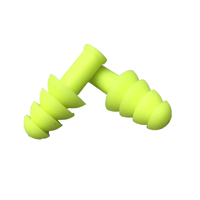
ii) Earmuffs (The Easy-to-Use Option)
Earmuffs fit over the entire outer ear to form a seal against the head.
-
Pros: They are easy to put on correctly and hard to lose. They are ideal for intermittent noise where a worker needs to take protection on and off frequently.
-
Cons: They can be hot, heavy, and may interfere with safety glasses or hard hats.
Dual Protection
For extremely loud environments (generally over 100 dB), OSHA may recommend or require wearing earplugs and earmuffs simultaneously. This provides an additional layer of dampening that a single device cannot achieve alone.
Tips for Selecting the Right Gear
-
Don’t Overprotect: It might seem safer to buy the highest NRR possible, but blocking too much sound can be dangerous. Workers still need to hear alarms, backup beepers, and verbal warnings. Aim for a reduction that brings exposure to between 75 and 85 dB.
-
Comfort is King: If earplugs hurt, workers will take them out when you aren’t looking. Offer a variety of options (foam, silicone, muffs) and let employees choose the one that fits them best.
-
Check the Fit: Safety glasses with thick temples can break the seal of earmuffs, reducing their effectiveness. ensure your PPE works together as a system.
Incorporate Hearing Safety Into Your Routine
Providing hearing protection is just the first step. To ensure compliance, you must enforce its use. Regular training and clear signage reminding workers to “Wear Hearing Protection” in high-noise zones are essential for keeping your team safe and your facility citation-free.
Read through some of the other articles published on our blog to get more expert advice on PPE and workplace safety standards.
Frequently Asked Questions (FAQ)
1. At what decibel level is hearing protection required?
A. OSHA requires mandatory hearing protection at 90 decibels (dB). If the 8-hour time-weighted average noise level reaches 90 dB, employers must ensure workers wear appropriate protection. However, at 85 dB (the Action Level), employers must implement a Hearing Conservation Program and make protection available to workers voluntarily.
2. What is NRR on earplugs?
A. NRR stands for Noise Reduction Rating. It is a unit of measurement used to determine the effectiveness of hearing protection devices to decrease sound exposure. For example, if you are exposed to 100 dB of noise and wear earplugs with an NRR of 30, the noise entering your ear is significantly reduced, though the calculation is not a simple subtraction.
3. Who pays for hearing protection at work?
A. The employer must pay for hearing protection. According to OSHA standards, employers are responsible for providing hearing protection at no cost to employees who are exposed to noise levels at or above the Action Level of 85 decibels. This includes replacing worn-out or damaged equipment.
4. Can I listen to music headphones instead of earplugs?
A. No, standard music headphones are not OSHA compliant. Most music headphones do not offer a certified Noise Reduction Rating (NRR) and do not seal out noise effectively. In fact, workers often turn the music up to drown out machinery, potentially damaging their hearing even faster. Only ANSI-rated hearing protection devices are permitted.
Category: Electrical